
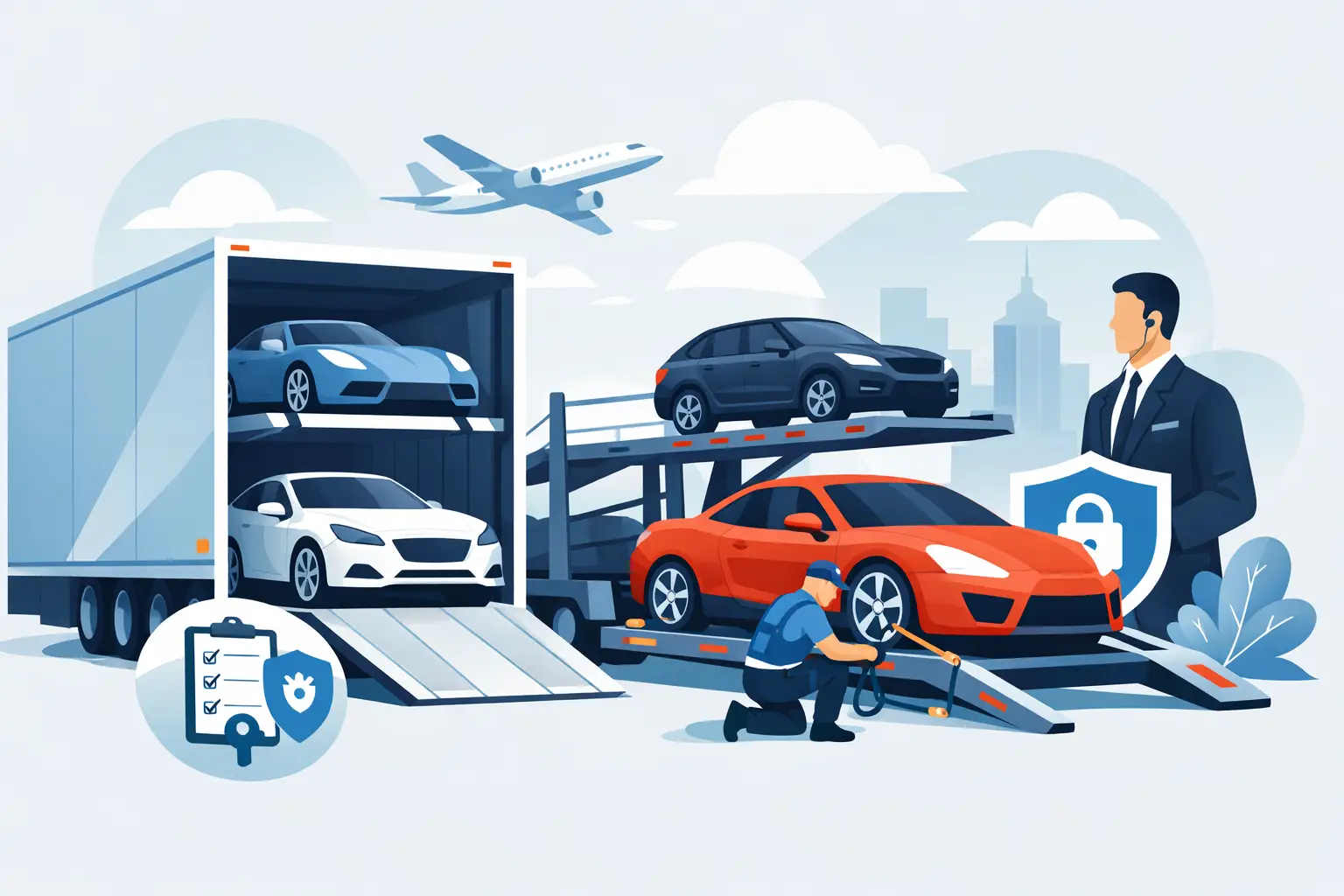
A vehicle does not need to be exotic to deserve careful handling. Whether it is a prestige model, a classic, a dealership vehicle or the family car that will not start, car transport should protect the vehicle, keep you informed and deliver it where it needs to be without adding further problems.
The right service depends on why the vehicle is moving. An urgent roadside recovery after a breakdown is different from a planned collection for a collector car. Both require proper loading, secure restraint and an operator who understands that the condition of the vehicle matters just as much as the destination.
Car transport is more than getting from A to B
A basic tow may be suitable for some situations, but it is not automatically the right answer. Vehicles with low ground clearance, damaged wheels, transmission faults or high-value bodywork need a considered loading plan. Rushing the process or using unsuitable equipment can turn a manageable issue into expensive damage.
Professional car transport begins with the right questions. Where is the vehicle? Is it drivable? Has it been involved in an accident? Does it have a flat tyre, steering damage, an electrical fault or a locked gearbox? Is there limited access at the collection or delivery point? Clear information allows the recovery or transport team to arrive prepared.
For prestige and performance vehicles, loading angles and securing points deserve particular care. Splitters, lowered suspension, wide wheels and delicate paintwork can all be vulnerable if the vehicle is handled as though it were a standard roadside collection. The same principle applies to cherished classics, which may have older mechanical systems and bodywork that cannot be replaced easily.
Planned transport and emergency recovery need different preparation
Emergency recovery is often about speed and safety. A breakdown on a motorway, a busy A-road or an exposed rural route requires a calm, practical response. The priority is to remove the vehicle from danger, assess whether it can be moved safely and transport it to a garage, home address, secure location or another agreed destination.
Planned transport gives more time to organise the details, but the standards should be no lower. A dealership moving stock, a buyer collecting a newly purchased vehicle or an owner relocating a car within the UK or into Europe needs confidence in collection times, communication and condition on arrival.
The key difference is information. In an emergency, the operator may need to make decisions based on a quick assessment at the roadside. For a booked movement, vehicle dimensions, condition, access arrangements and delivery requirements can be confirmed beforehand. This reduces avoidable delays and helps ensure the correct transport method is used from the outset.
What to tell a car transport provider before collection
A short, accurate description can make a significant difference. Do not assume a vehicle is straightforward to move simply because it rolls. If it has been in a collision, has a puncture, is immobile or sits unusually low, say so when booking.
Provide the make and model, registration, collection and delivery postcodes, and the best contact number for both locations. Explain the vehicle's condition and whether the keys are available. Mention gates, narrow lanes, underground parking, height restrictions or any site rules that could affect access.
For valuable vehicles, it is sensible to record the car's condition before collection. Take clear photographs of each side, the wheels, bumpers and interior where appropriate. This is not about expecting a problem. It is a sensible handover process that gives everyone a clear record and supports careful, accountable transport.
If the movement involves a dealership, repairer, insurer or third party, establish who is authorised to release and receive the vehicle. A transport job can be delayed by something as simple as a missing key, an unavailable contact or unclear delivery instructions.
Choosing the right level of care
Price matters, but the cheapest quote is not always the lowest-cost decision. A poor collection can create damage, delays and disputes that outweigh any initial saving. The right provider should be clear about availability, likely collection arrangements and what information is needed to move the vehicle safely.
For a standard vehicle moving between local locations, a straightforward recovery service may be entirely appropriate. For a prestige car, classic vehicle or accident-damaged vehicle, specialist handling becomes more important. It depends on the vehicle's value, condition, clearance and the risk attached to moving it.
Ask how the vehicle will be loaded and secured, particularly if it cannot be driven onto the transporter. Confirm whether the journey is direct or involves additional handling, and ask what happens if access at either end is restricted. Direct answers are a good sign. Vague assurances are not a substitute for a proper plan.
Where a vehicle needs to wait before repair, onward delivery or insurance instructions, secure short-term storage can also be useful. It avoids leaving a damaged or non-running vehicle in an unsuitable location and gives you time to make the next decision without unnecessary pressure.
The checks that protect the vehicle in transit
Before the vehicle moves, a professional operator should assess its condition and position it for safe loading. This includes considering tyre condition, steering, brakes, clearance and any collision damage. A vehicle with front-end damage or a seized wheel may need a different approach from one that has simply suffered a flat battery.
Once loaded, the vehicle must be restrained correctly. The aim is to prevent movement during braking, cornering and uneven road conditions without placing unnecessary stress on vulnerable parts. Good restraint is not an optional extra, especially on longer UK journeys or European routes where road surfaces, traffic and weather can vary considerably.
Communication matters throughout the process. Customers should know that the vehicle has been collected, understand any change to the agreed plan and receive confirmation on delivery. This is particularly valuable for dealerships, garages and insurers coordinating several parties, but it gives private owners the same reassurance.
MHJ Prestige Transport approaches both recovery and planned vehicle movements with this practical focus: assess the situation, use the appropriate handling method and keep the customer informed.
Car transport after an accident
Accident recovery calls for extra caution. Damage may not be limited to what is visible. A wheel can be misaligned, suspension components may be compromised, fluids may be leaking or body panels may be loose. Attempting to drive the vehicle, even a short distance, can be unsafe or cause further damage.
Tell the recovery provider if emergency services, police, an insurer or a recovery agent are involved. If the vehicle has been declared undriveable, do not remove personal belongings until it is safe to do so and you have any necessary approval. Keep important documents and valuables with you where possible, and take photographs once the situation allows.
A secure onward plan is often as important as the initial roadside recovery. The vehicle may need to go to an approved repairer, a bodyshop, a secure storage location or back to a dealership. Confirm the destination before collection where possible, but if that is not yet known, secure temporary storage can prevent a rushed decision.
A practical checklist before handover
Before collection, make sure you have covered the essentials:
- Confirm the collection point, destination and contact details.
- Describe faults, damage, low clearance and access restrictions accurately.
- Check that keys, locking wheel nuts and any relevant documents are available.
- Remove valuables and take condition photographs for your records.
- Agree who can release the vehicle and who will accept it at delivery.
These few checks prevent many of the delays that turn a simple transport job into a frustrating one.
The best car transport service is the one that makes a difficult situation feel controlled. Give the provider accurate information, choose care that matches the vehicle and journey, and make sure there is a clear plan at both ends. When the vehicle matters, careful handling should be the starting point, not an upgrade.