
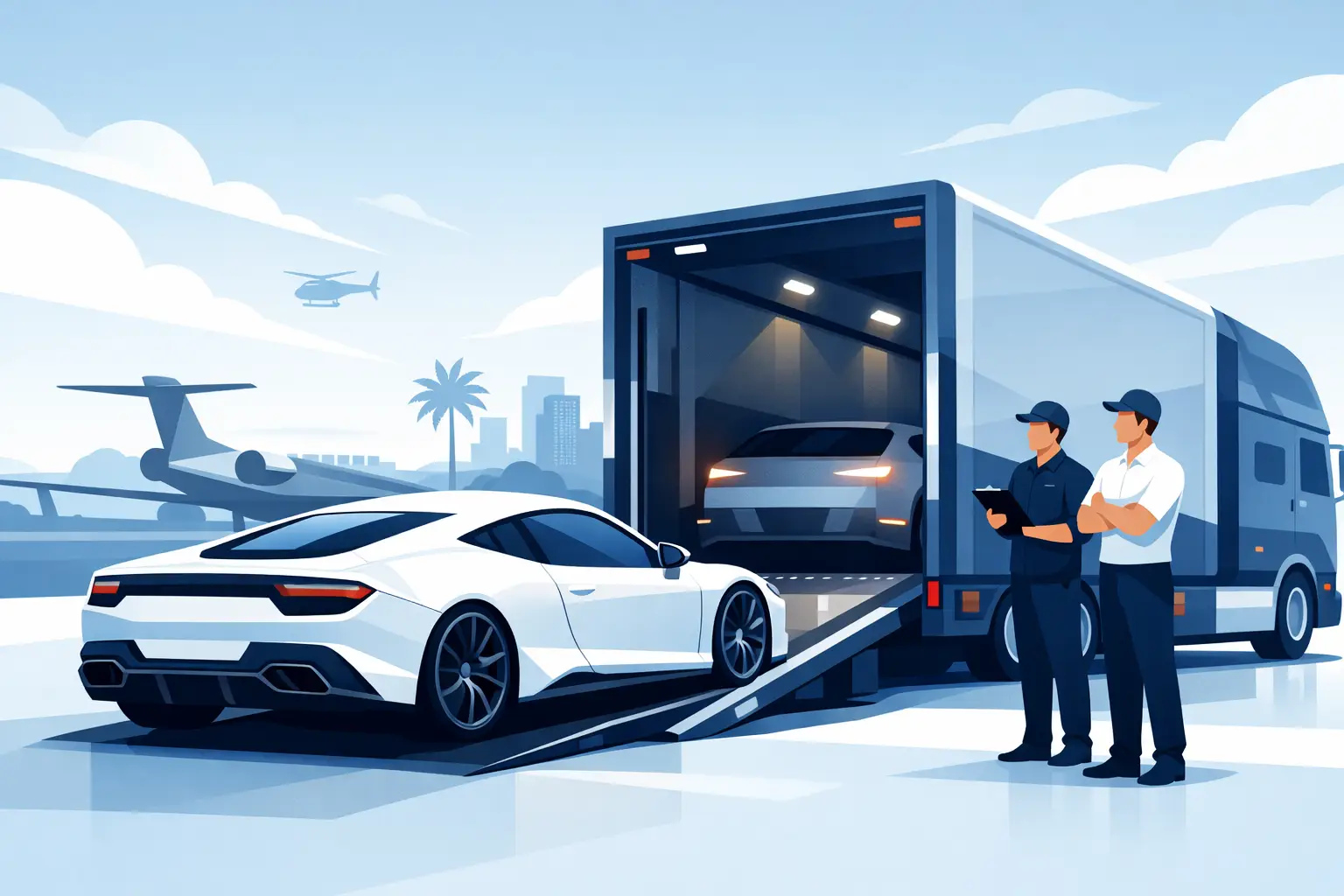
When a prestige vehicle needs moving, the margin for error is small. A low splitter, soft paintwork, carbon trim or custom wheels can turn a routine collection into an expensive problem if the transport is handled badly. That is why luxury car transport is not simply about getting a vehicle from one place to another. It is about control at every stage, from arrival and loading to delivery and storage if needed.
Owners, dealerships, collectors and garages usually come to the same point quickly. They are not looking for the cheapest available operator with a trailer. They want a transport partner that understands high-value vehicles, works to a clear process and can respond when timing matters. In many cases, the vehicle is not even driveable. It may have suffered a breakdown, been involved in an accident or require movement without adding mileage. Each of those situations calls for a different level of planning and care.
What luxury car transport should actually include
At a basic level, any carrier can say they move vehicles. Specialist luxury car transport is different because the standard starts before the vehicle is even touched. The right operator will ask the right questions first - whether the car runs, its ground clearance, whether it has any existing damage, where it is being collected from and whether there are access restrictions at either end.
That matters because prestige vehicles often need a more considered loading approach than standard cars. A steep ramp angle can damage a front bumper. Poor strap placement can mark alloy wheels or stress suspension components. Rushed handling on a roadside recovery can create further damage after the initial fault or accident. For high-value vehicles, careful loading is not a premium extra. It is the job.
The transport itself should also be stable, secure and appropriate to the vehicle. Some moves are straightforward planned deliveries between a seller and buyer, or between a dealership and customer. Others are time-sensitive recoveries from the hard shoulder, a car park, a bodyshop or a private address. In each case, the expectation is the same: the vehicle is treated properly, the customer is kept informed and the movement is completed without unnecessary delay.
When luxury car transport is the right choice
There is a tendency to think specialist transport is only for supercars. In practice, the need is broader than that. Luxury car transport is often the right option for prestige saloons, performance estates, rare classic vehicles, specialist imports and premium EVs, as well as obvious high-value marques.
Sometimes the reason is financial value. Sometimes it is condition, rarity or owner preference. A vehicle may be going to auction, to a specialist workshop, to a detailing appointment or to secure storage. It may be part of a private collection and only used seasonally. It may be a new purchase that the owner wants delivered without road exposure. Those are all valid reasons to use a specialist service.
Emergency situations are just as common. If a prestige vehicle breaks down, the priority is no longer convenience but damage limitation. The wrong recovery method can do more harm than the original mechanical issue. The same applies after an accident, where safe extraction and onward movement need to be managed calmly and correctly.
The difference between general recovery and specialist handling
This is where trade-offs become clear. A general recovery operator may be suitable for an ordinary vehicle with standard clearance and no specific handling concerns. But with prestige or performance cars, that approach can be risky. Not because general operators are incapable, but because specialist vehicles often demand different equipment, more patience and more experience.
A car with a very low front end may need skates, soft straps, careful ramp management and more time on collection. A non-runner with electronic issues may need controlled winching rather than a simple pull. An accident-damaged vehicle may need storage after recovery rather than immediate delivery to a garage. If those details are not planned in advance, the customer ends up managing problems that should have been avoided.
The right provider will also understand that service quality is measured in more than the vehicle arriving eventually. Communication matters. Timing matters. Access planning matters. So does availability. A planned weekday movement is one thing. A breakdown late at night on a motorway route is another. A serious transport partner needs to handle both.
How a professional luxury car transport service works
A good job usually starts with accurate information. The vehicle make and model help, but so do the practical details. Is the car lowered? Does it steer freely? Is it locked in a basement car park? Has it suffered wheel or suspension damage? Is there a preferred delivery time? These details influence the equipment and method used.
From there, collection should be organised around safe access and controlled loading. The operator should assess the location, position the vehicle correctly and load it in a way that protects bodywork, wheels and undertrays. Once loaded, the vehicle should be secured using suitable restraint points and checked before departure.
During transport, the standard should remain consistent. Customers moving valuable vehicles do not want guesswork. They want confidence that the driver understands what they are carrying and where it is going. If the movement involves temporary secure storage, handover between recovery and storage should be handled as one process rather than two disconnected jobs.
That joined-up approach is often what separates a specialist operator from a generic one. MHJ Prestige Transport works in that space because customers frequently need more than a simple pickup. They may need 24/7 recovery, onward transport and short-term secure storage all managed without delay.
Choosing the right company for luxury car transport
Not every booking is urgent, but every booking needs clarity. If you are arranging luxury car transport, the first thing to look for is specialist experience with prestige and high-value vehicles. That should be obvious in how the company talks about loading, recovery and vehicle care, not just in broad claims about being professional.
It is also worth asking how they handle non-runners, low-clearance vehicles and post-accident recovery. These are common scenarios, and the answers will tell you whether the business is genuinely equipped for specialist work or mainly handles standard roadside jobs.
Availability is another practical factor. A company that only handles planned movements may not be suitable if there is a risk the job will change at short notice. Likewise, a business focused only on emergency towing may not offer the level of care expected for a collector vehicle or dealership delivery. It depends on what you need, but the strongest operators can cover both recovery and planned transport.
Geographic reach matters too. Some moves are local. Others run across the UK or into Europe. The more valuable the vehicle, the less appetite there is for handoffs, delays or vague collection windows. A direct, accountable service is usually the safer option.
Common situations where things go wrong
Most transport problems are not dramatic. They come from poor preparation. The wrong vehicle turns up for the collection. The driver has not been told the car is non-running. Access is too tight for the planned setup. The vehicle has very low clearance, but no one allowed for it. Small gaps in information create avoidable risk.
Another issue is assuming all prestige vehicles need the same approach. They do not. A modern executive saloon with a mechanical fault presents one set of requirements. A track-focused coupe with carbon aero and limited ground clearance presents another. A classic car that has been stored for months may need very different handling again. Good transport is about adapting the method to the vehicle.
There is also a timing question. If a car is stranded in a vulnerable location, speed is essential. If it is a planned movement for a collector vehicle, timing still matters, but so does flexibility and controlled handling. Neither job should be rushed. The difference is in how the service is prioritised and delivered.
Why careful transport protects more than the vehicle
For private owners, the obvious concern is condition. For dealerships and garages, reputation is just as important. A poorly managed collection or delivery reflects badly on everyone involved. For insurers, repairers and accident management teams, delays and mishandling create extra cost. Specialist transport reduces those risks by treating the movement as part of the wider service, not an afterthought.
That is why the best operators focus on process as much as equipment. Secure handling, clear communication and dependable availability are what make the service work under pressure. Whether the vehicle is being recovered after a breakdown, delivered to a customer, moved to a workshop or placed into secure storage, the principle stays the same. Valuable vehicles need to be moved properly.
If you are arranging transport for a prestige vehicle, the safest choice is usually the one that asks more questions at the start and takes more care on the day. With luxury car transport, that attention to detail is not a luxury at all. It is what keeps a straightforward move from becoming an avoidable problem.