
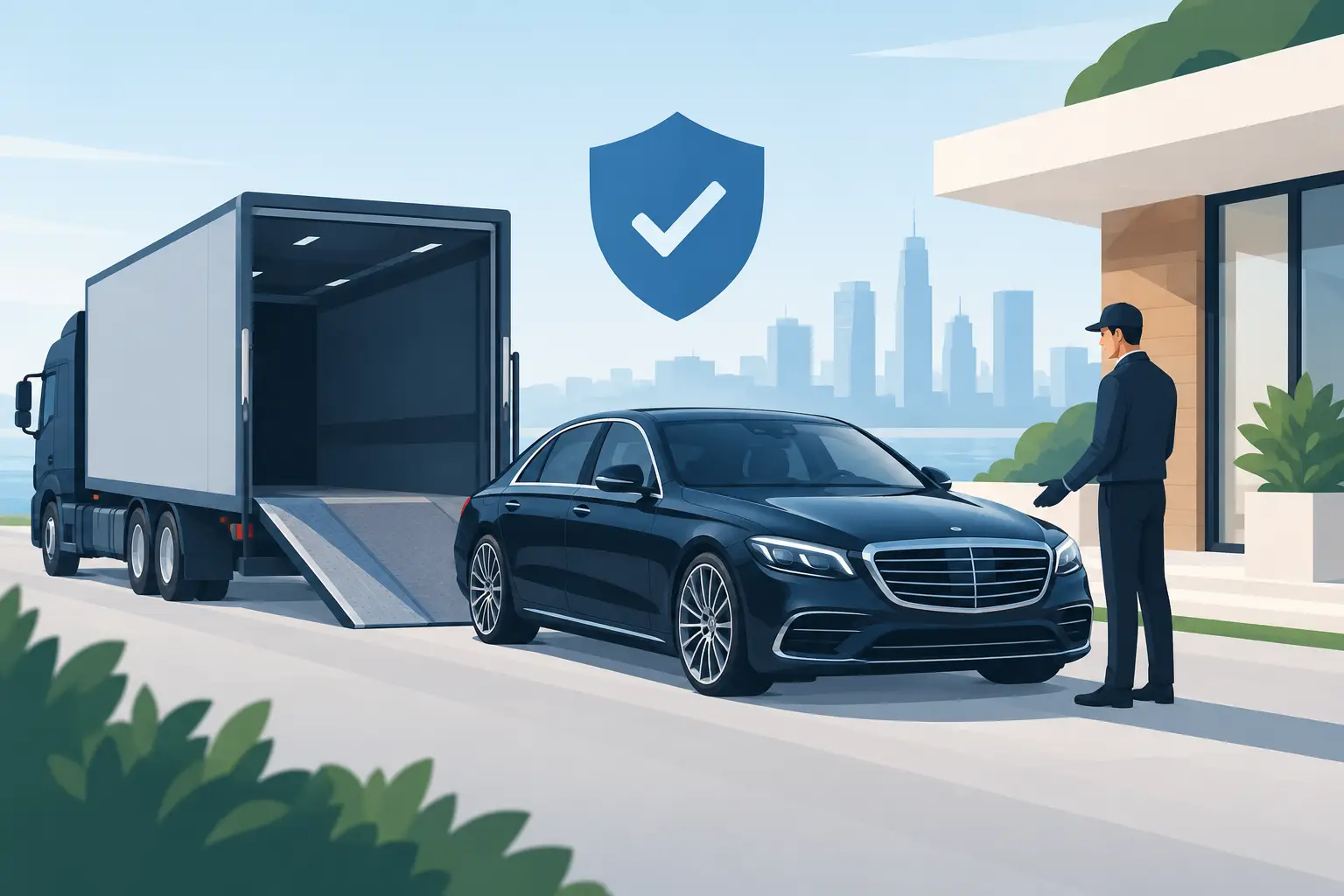
A prestige vehicle does not become less valuable because it is being moved rather than driven. Whether it is a collector’s car, a performance model, a dealership handover or a vehicle awaiting repair, insured prestige car delivery provides the control and reassurance that standard transport often cannot.
The right provider does more than collect a car and take it from A to B. They assess the vehicle, use suitable loading equipment, secure it correctly, confirm the transport arrangements and remain accountable until handover. For owners, dealers and insurers, that discipline matters as much as the journey itself.
What insured prestige car delivery should include
Insurance is a vital part of specialist vehicle transport, but the word alone is not enough. Before a vehicle is collected, you should understand what cover applies, how the car will be handled and what records are taken of its condition. Clear communication at this stage avoids uncertainty if a question arises later.
A professional service should establish the vehicle’s collection point, destination, condition, ground clearance and any special requirements. A lowered sports car, non-runner, classic vehicle or accident-damaged prestige model may need a different loading approach from a roadworthy family car. Planning for those details protects the vehicle and prevents delays on collection.
Condition reporting is equally useful. Photographs and a documented check of the vehicle before loading create a shared record of its condition. This is particularly valuable for auction purchases, dealer transfers, post-accident recovery and vehicles moving between storage, workshops and customers.
Cover needs to match the movement
Not every transport job carries the same level of risk. A short movement from a local garage differs from a cross-country collection, while European transport brings further considerations around route planning, collection times and documentation. The appropriate insurance arrangements should reflect the vehicle, the journey and the service being provided.
Ask direct questions. Is the vehicle covered while in transit? What information is required to confirm its value? Does the cover apply during loading and unloading? What happens if collection or delivery is delayed? A dependable operator will address these points clearly rather than relying on vague assurances.
It is also worth distinguishing between a transporter’s cover and your own motor insurance. Your policy may offer some protection, but it should not be assumed to replace the carrier’s responsibility. Confirm the arrangements before the keys are handed over.
Careful loading is where protection starts
Prestige cars can be vulnerable long before the vehicle is on the road. Low splitters, wide wheel arches, expensive alloy wheels and limited ground clearance all demand care during loading. A rushed approach can cause avoidable damage, even on a short journey.
Suitable recovery and transport equipment makes a practical difference. Winching, ramps, wheel straps and loading angles must be selected for the vehicle in front of the operator. For non-runners, vehicles with accident damage or cars with electronic parking brake issues, safe recovery requires experience as well as the correct equipment.
The vehicle should be secured at approved wheel points, with no unnecessary pressure placed on vulnerable components. Once loaded, the driver should carry out final checks before departure. This is straightforward operational practice, but it is the difference between a specialist movement and basic towing.
Planned delivery and urgent recovery need the same standards
A booked dealership delivery may be carefully scheduled weeks in advance. A breakdown on the motorway or an accident late at night is very different. Yet both situations call for secure handling, proper vehicle assessment and reliable onward transport.
For an urgent recovery, the priority is to get the driver and vehicle to safety, then establish the next step. That may mean transport to a chosen garage, delivery to a home address or short-term secure storage while repairs, insurance approval or replacement parts are arranged. A provider with both recovery and prestige transport capability can manage this without treating the car as a routine tow.
For planned movements, timing is often the key consideration. Dealers may need vehicles moved between sites, collectors may be arranging a purchase, and owners may need transport to a specialist workshop, event or storage location. Confirming collection and delivery windows in advance helps everyone prepare properly.
Choosing a provider for prestige vehicle transport
Price matters, but it should not be the only deciding factor for a high-value vehicle. A low quote can become costly if it excludes appropriate cover, requires unsuitable loading or leaves you without a clear point of contact when plans change.
Look for a provider that can explain how they will handle your particular vehicle. They should be able to discuss access at the collection point, whether the car runs, its condition and any concerns around ground clearance or damage. If the vehicle is in a difficult location, such as a multi-storey car park, narrow drive or roadside position, that should be raised before dispatch.
Availability also matters. Vehicle problems rarely arrive during business hours. For owners and businesses that require a response outside the usual working day, a 24/7 operator provides practical reassurance. It means one call can lead to recovery, onward movement and, where required, secure storage.
MHJ Prestige Transport supports planned and urgent vehicle movements from Burton upon Trent across the UK and Europe, with the same focus on careful handling from collection through to delivery.
Preparing your vehicle for collection
A few simple checks can help the collection run without delay. Keep the keys available, advise the transporter of any starting issues and remove loose personal belongings where possible. If the vehicle has an alarm, immobiliser, tracking device or unusual starting procedure, provide the relevant instructions before collection.
For a vehicle that does not run, be clear about why. Flat batteries, seized brakes, missing wheels, steering damage and accident damage all affect the loading plan. Accurate information allows the operator to attend with suitable equipment instead of losing time on arrival.
If the car is being transported after an accident, avoid moving it unnecessarily before the collection team arrives. Photographing the vehicle and noting its location can assist the recovery process and support your insurer’s records. Where a vehicle needs to be held securely, make sure the storage arrangements and release process are understood from the outset.
At delivery, take a final moment to check
The handover should not feel rushed. Compare the vehicle with the pre-collection record, check for any concerns and ensure the keys and agreed paperwork are transferred to the correct person. If delivery is to a garage, dealership or storage facility, confirm that the recipient is expecting the vehicle and has access to receive it.
For valuable cars, that final check is not an inconvenience. It closes the transport process properly and gives every party confidence that the vehicle has arrived as intended.
When the journey needs more than basic transport
Insured prestige car delivery is about more than putting a car on a transporter. It is a controlled service for vehicles where condition, value and timing all matter. The best arrangement depends on the car, the route and whether the movement is planned or urgent, but careful preparation and clear cover should never be optional.
If your vehicle needs recovery, onward delivery or secure storage, give the operator the full picture before collection. The right information allows the right equipment, cover and handling plan to be put in place from the first call.