A non-runner rarely fails at a convenient time. It might be stranded on a roadside after a fault, sitting at a dealership with a dead battery and seized brake, or waiting at an auction yard with no safe way to move under its own power. When that happens, knowing how to transport non-runner cars properly matters. The wrong method can turn a simple recovery into bodywork damage, underbody damage or a much bigger mechanical problem.
For most vehicles, the safest answer is straightforward - use specialist recovery or vehicle transport designed for cars that cannot be driven, steered normally or rolled freely. That sounds simple, but the detail matters. A prestige vehicle with low ground clearance needs a different loading approach from a standard hatchback. A car with accident damage needs a different plan from one that simply will not start.
How to transport non-runner cars without causing damage
The first thing to establish is what the car will and will not do. Some non-runners still steer, roll and brake. Others have locked wheels, suspension damage, gearbox problems or missing parts. That changes the equipment required and the way the vehicle is loaded.
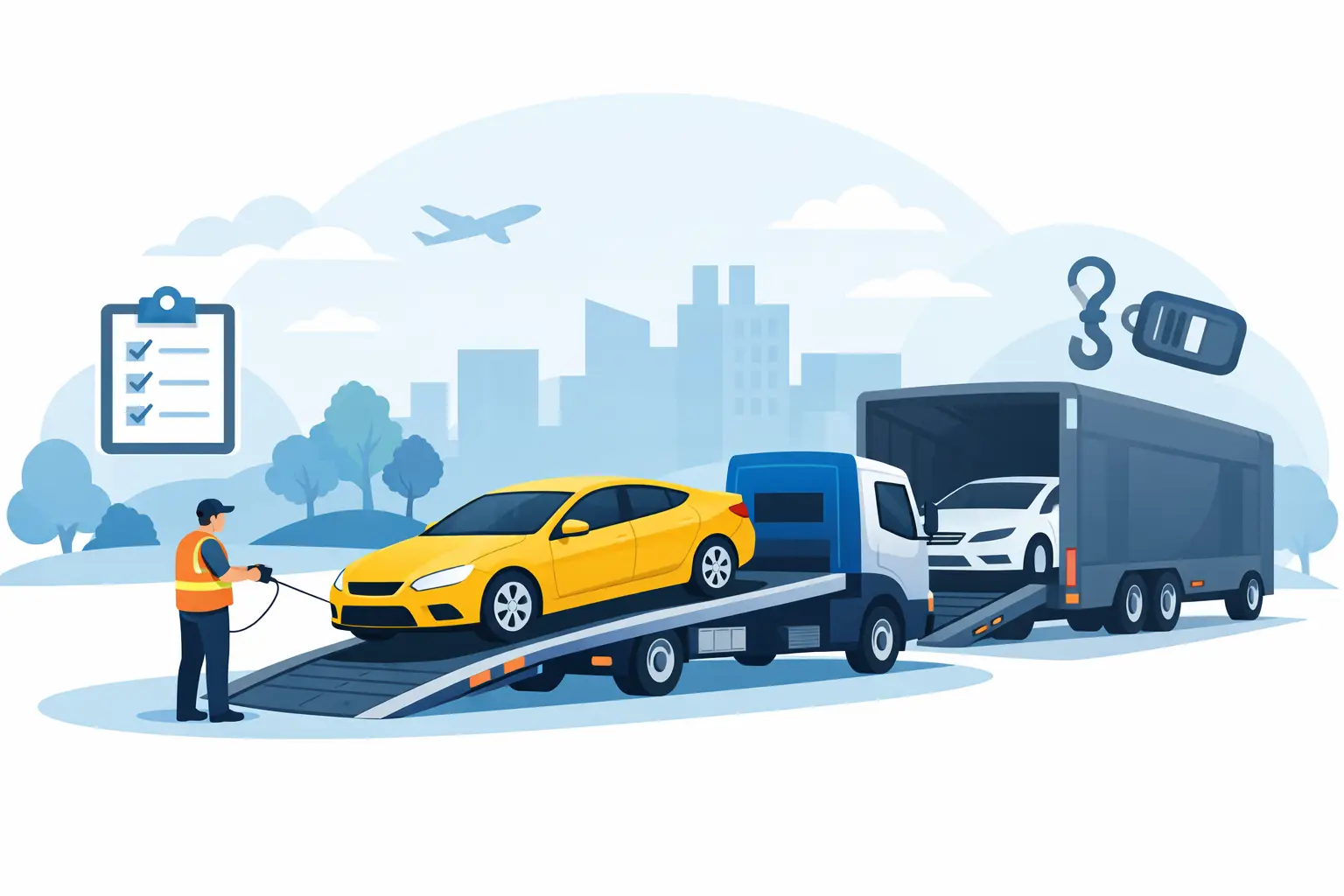
If the car rolls freely, a flatbed recovery vehicle is usually the best option. It keeps all four wheels off the road, reduces the risk of further damage and allows controlled winching onto the bed. This is generally the preferred method for broken-down vehicles, prestige cars, classics and auction purchases.
If the wheels are locked or the car has suffered collision damage, extra equipment may be needed. Wheel skates, specialist winching setups and careful lift angles make a real difference here. Trying to drag a damaged or seized vehicle into place without the right kit is where damage often happens - tyres scrub, undertrays catch and bumpers scrape.
For high-value vehicles, loading angle is one of the first things an experienced operator considers. Low splitters, long overhangs and delicate bodywork need controlled approach ramps and patient handling. Speed is not the priority. Control is.
The main transport options for a non-runner
In practice, there are only a few realistic ways to move a non-runner safely. The right one depends on the vehicle condition, value, location and urgency.
Flatbed recovery
This is the standard choice for most non-runner cars. The vehicle is winched onto a flatbed and secured for transport. It suits breakdowns, dealership transfers, garage deliveries and post-accident movement. It also gives the driver much better control during loading than a basic tow.
For prestige and specialist vehicles, flatbed transport is usually the minimum standard worth considering. It reduces road contact, keeps mileage off the vehicle and avoids many of the risks that come with towing methods where wheels remain on the ground.
Transporter movement for planned jobs
If the move is planned rather than urgent, a dedicated car transporter can be the better option. This is common for auction collections, dealer transfers, relocation, storage moves and specialist vehicle deliveries. It is particularly useful when the car needs careful timing, a specific collection window or a more premium handling process.
Towing with wheels on the road
This can work in limited situations, but it is rarely the best answer for a non-runner and often not the safest. If the steering locks, the brakes are compromised or the transmission is not suitable, towing becomes a risk very quickly. It is also a poor fit for prestige vehicles, low cars and accident-damaged vehicles.
As a rule, if there is any doubt about the vehicle condition, avoid improvised towing. Proper recovery is cheaper than repairing avoidable damage.
What to check before moving a non-runner
Before transport is arranged, it helps to know as much as possible about the vehicle. That allows the recovery operator to arrive with the right equipment first time.
Start with the obvious question - does it roll? If the answer is no, say so clearly. If the steering is locked, the handbrake is stuck on, the gearbox is damaged or the car has no keys, that is all relevant. The same applies if the vehicle is lowered, has very low clearance or has accident damage around the wheels, suspension or body.
Location matters too. A car parked on a narrow residential street needs a different approach from one in an open forecourt. Underground car parks, multi-storey sites, soft ground and steep driveways all affect vehicle access and loading. A good transport provider will ask these questions because they are planning the job, not just turning up and hoping it works.
If you are moving a prestige, classic or collector vehicle, mention anything unusual about it. Non-standard jacking points, delicate sills, carbon bodywork and special wheel finishes all need careful handling. The more accurate the brief, the better the outcome.
Why professional handling matters for prestige vehicles
A non-runner is already vulnerable. A prestige car that cannot move under its own power is more vulnerable again. Low bumpers, expensive alloys, specialist tyres and sensitive drivetrains leave less room for error.
This is where specialist transport stands apart from general towing. It is not only about moving the vehicle from A to B. It is about loading it without scraping the front end, securing it without marking wheels or suspension components, and unloading it in the same condition it left.
There is also the issue of presentation. Dealerships, collectors and owners of high-value cars are not simply paying for movement. They are paying for confidence that the car will be handled properly throughout the job. That means clear communication, suitable equipment and an operator who understands the vehicle in front of them.
Common mistakes when arranging transport
One of the most common mistakes is under-describing the condition of the car. If a customer says a vehicle is a simple non-starter but it actually has locked wheels and front-end damage, the wrong vehicle may be dispatched. That wastes time and can delay recovery.
Another issue is choosing based on price alone. Low-cost options often assume the easiest possible loading conditions. When the vehicle turns out to be awkward, low, damaged or inaccessible, corners get cut. That is not where you want to save money.
There is also a tendency to assume any recovery vehicle can handle any car. That is not true. A prestige saloon, performance coupe or classic car may need more care than a standard roadside collection. Equipment, restraint methods and loading experience all count.
How to transport non-runner cars in urgent and planned situations
Urgent recovery and planned transport call for slightly different thinking. In an urgent breakdown or accident scenario, speed matters, but safe handling still comes first. The priority is getting the vehicle off the road or out of a vulnerable position without adding further damage.
For planned transport, there is more opportunity to coordinate timing, access, destination details and storage if needed. This is often the better route for auction purchases, garage deliveries, dealership transfers and collector vehicles. It also allows for a more controlled loading environment.
If the vehicle is heading to repair, storage or sale preparation, it is worth considering what happens after delivery. A non-runner may need unloading into a tight workshop, secure compound or covered facility. Good transport planning does not stop at collection.
Choosing the right provider
The right provider should ask practical questions, explain the transport method clearly and understand the difference between a standard recovery and a specialist vehicle movement. Availability matters, especially if the vehicle is blocking access, stranded after a breakdown or sitting in an unsafe location.
UK and European coverage can also be relevant if the journey is more than local. A provider used to longer-distance transport will generally be better equipped for scheduling, route planning and secure handling over distance. If storage may be needed between collection and delivery, that should be discussed upfront rather than treated as an afterthought.
For customers moving valuable, damaged or immobilised vehicles, experience is not a nice extra. It is part of the service. A company such as MHJ Prestige Transport is built around that kind of work - combining recovery readiness with careful vehicle handling rather than treating every job as basic roadside towing.
The best approach is usually the simplest one. Be clear about the vehicle condition, choose a transport method that keeps the car protected, and use a specialist who knows how to deal with non-runners properly. When a car cannot move under its own power, careful handling is the difference between a straightforward transport job and an expensive avoidable problem.