
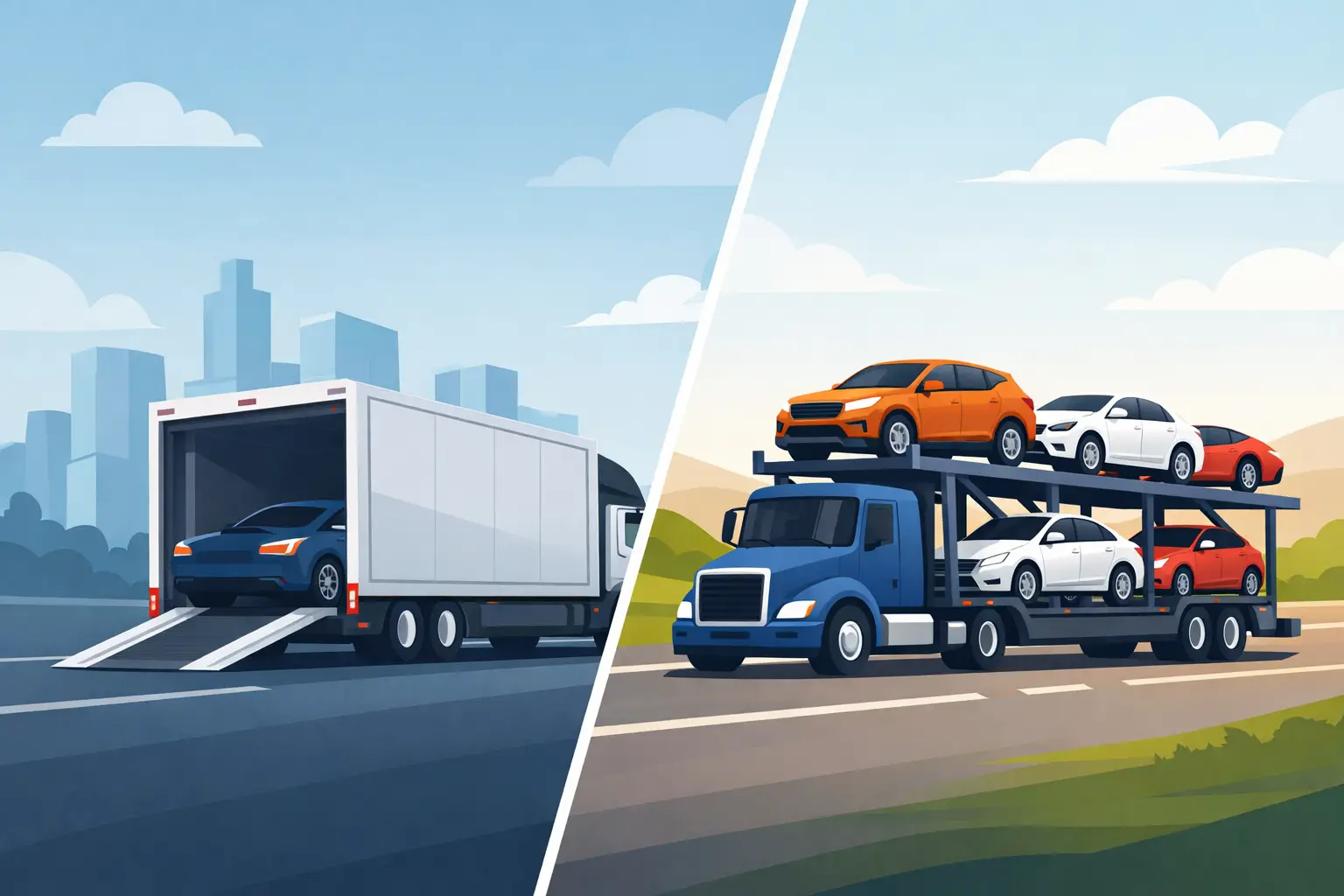
If you are moving a vehicle that matters, the choice between covered versus open car transport is not a small detail. It affects protection, timing, cost and, in some cases, the condition your vehicle arrives in. For a standard daily driver, open transport may be entirely suitable. For a prestige, classic or high-value vehicle, covered transport often makes far more sense.
The right option depends on the car, the journey and your tolerance for exposure on the road. There is no single answer for every customer, which is why the best decision starts with understanding what each service actually provides.
Covered versus open car transport: what is the difference?
Open car transport is the format most people recognise. Vehicles are loaded onto an open trailer or recovery vehicle and remain exposed to normal road conditions throughout the journey. It is widely used for dealer movements, auction collections, relocations and general vehicle logistics.
Covered car transport, sometimes called enclosed transport, places the vehicle inside a covered trailer or protected transport unit. That added enclosure reduces exposure to rain, road grime, debris and public visibility. It is commonly chosen for prestige vehicles, classics, performance cars, rare models and cars heading to shows, storage or specialist workshops.
Both options can be professional, safe and well managed. The real difference is the level of protection and the type of vehicle being moved.
When open car transport is the practical choice
Open transport suits many vehicles perfectly well. If the car is used regularly, already exposed to everyday road conditions and not especially sensitive in terms of value or finish, open movement is often the most practical route.
It is also typically the more cost-effective option. Because open transport equipment is more common and widely used, availability can be better and pricing can be lower than covered alternatives. For many customers, that balance works. They need a car moved efficiently, safely and without paying for a level of enclosure they do not require.
This can apply to standard family cars, fleet vehicles, dealer stock, non-running vehicles being recovered, and vehicles going to or from garages where function matters more than presentation. If the vehicle is already due for cleaning, inspection or repair on arrival, the extra shielding of a covered unit may not add much practical value.
That said, open does mean exposure. Even on a carefully planned journey, the vehicle may arrive with surface dirt from weather and motorway conditions. That is normal, but it matters more to some owners than others.
When covered transport earns its place
Covered transport is usually chosen when the vehicle itself justifies a higher level of care. That may be because of value, rarity, condition, sentiment or presentation.
Prestige and performance cars are obvious examples. Owners of these vehicles are often not simply paying for transport from A to B. They are paying to reduce risk, maintain condition and keep the movement controlled from collection to delivery. A covered trailer helps protect delicate paintwork, detailed finishes and vehicles that are expected to arrive in the same visual condition they left.
Classic cars also tend to suit covered movement. Older vehicles may have more vulnerable trim, older seals or irreplaceable parts. Even if the mechanical condition is sound, reducing environmental exposure is often the sensible approach.
There is also a privacy factor. A covered unit keeps the vehicle out of general view, which can matter for collectors, dealers, buyers handling discreet purchases, or owners moving high-value vehicles over longer distances.
Cost matters, but so does context
For many customers, price is the first comparison point in covered versus open car transport. That is understandable, but it should not be the only one.
Open transport usually costs less because it is simpler to deploy and more widely available. Covered transport generally carries a premium because the equipment is more specialised and the service is often paired with more careful scheduling and higher-value vehicle handling.
The better question is whether the added cost reflects a real need. If you are transporting a ten-year-old hatchback after a breakdown, open recovery is often entirely appropriate. If you are moving a performance car with freshly corrected paintwork, the extra spend on covered transport may be minor compared with the cost and frustration of correcting avoidable surface damage or contamination later.
In other words, the cheapest option is not always the lowest-cost decision overall.
Protection is not just about the weather
Customers often assume covered transport is mainly about rain. In practice, the bigger issue is total road exposure.
Open transport leaves the vehicle subject to dust, grime, spray, and the occasional small road particle. On most journeys, this results in little more than a dirty car. On some routes and in poor conditions, especially over longer motorway distances, it can mean more noticeable contamination.
Covered transport reduces that exposure significantly. It also gives owners confidence when the vehicle has a specialist finish, fresh bodywork, or detailing work that they want preserved. If presentation on arrival matters, such as a concours event, private sale, dealership handover or collector delivery, covered movement often fits the job better.
Protection also includes loading and handling standards. A professional operator should treat that part of the process seriously regardless of trailer type. Secure loading, correct equipment and proper vehicle restraint matter just as much as whether the trailer is open or covered.
Timing and availability can influence the decision
The ideal transport option is not always the one available when you need it. That is particularly relevant in breakdown, accident recovery or urgent logistics situations.
Open transport and recovery options are often easier to source quickly, especially for immediate or short-notice moves. Covered transport can require more planning, depending on route, trailer availability and the nature of the job.
That does not mean covered movement is slow. It simply means urgency can narrow the practical choices. If the vehicle needs immediate collection from a roadside location, workshop or accident scene, the first priority is often safe recovery and secure onward planning. For some customers, that may mean recovering the car promptly and then arranging covered onward transport once the vehicle is stabilised.
This is where working with a specialist provider matters. The decision is not just about trailer type. It is about handling the vehicle correctly at each stage.
Covered versus open car transport for different vehicle types
A daily-use vehicle usually travels well on an open carrier, provided the handling is competent and the route is managed properly. Most customers in this category are looking for efficiency and reliability more than a premium presentation service.
A prestige saloon, performance coupe or luxury SUV often sits in the middle ground. Open transport may still be suitable, particularly for local or routine movement, but many owners prefer covered transport for peace of mind. That preference becomes stronger as vehicle value rises.
For classics, collector cars, rare models and vehicles with exceptional cosmetic condition, covered transport is generally the stronger choice. The same applies to vehicles heading to exhibitions, high-end sales appointments, auctions or secure storage.
Non-runners and accident-damaged vehicles are a separate case. The right method depends less on prestige and more on safe loading, stability and the destination. In some cases, open recovery is the most practical answer because the priority is controlled removal rather than display-level protection.
How to choose the right option
Start with the vehicle itself. Ask whether exposure on the road presents a genuine problem or only a minor inconvenience. Then look at the route, time frame and reason for transport.
If the vehicle is valuable, freshly prepared, difficult to replace or expected to arrive in top presentation, covered transport is usually worth serious consideration. If the car is a normal road vehicle and the main aim is dependable movement at sensible cost, open transport is often enough.
It also helps to think beyond the journey. What happens on arrival? If the vehicle is going into storage, to a specialist workshop or directly to a buyer, that may justify a more protective option. If it is heading to routine repair or general use, open movement may be entirely proportionate.
A good transport provider should not push one answer for every situation. They should ask the right questions, explain the trade-offs clearly and match the service to the vehicle.
For owners, dealers and collectors who need a dependable answer, that is what matters most. Not whether a service sounds premium, but whether it is appropriate, available and handled properly from collection to delivery. If you are unsure, choose the option that matches the value of the vehicle and the level of risk you are prepared to accept. That tends to be the decision people regret least.