
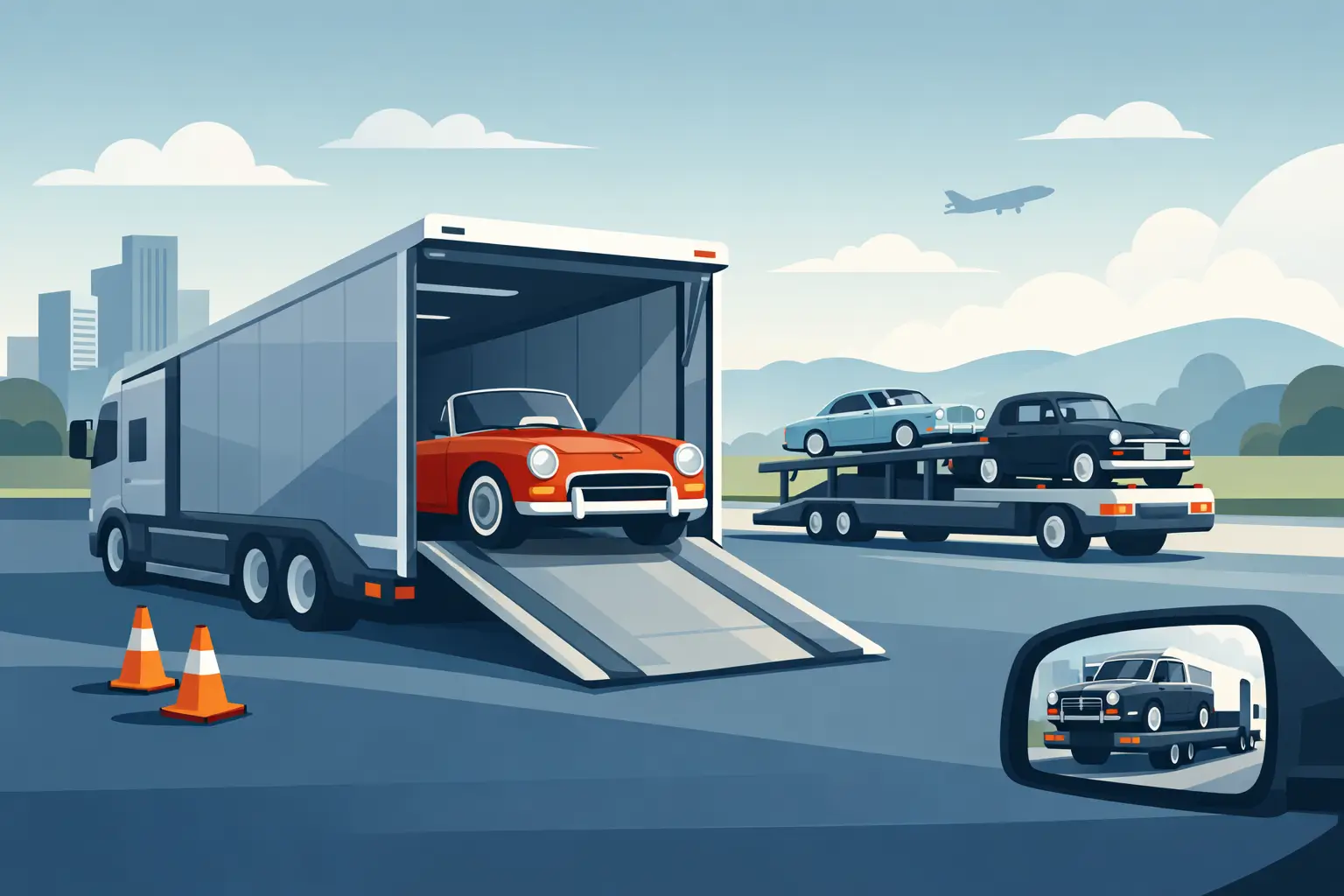
A classic car does not give you much margin for error. Low ground clearance, ageing mechanical parts, delicate trim and irreplaceable panels all mean the same thing - transport has to be handled properly from the first phone call to final delivery. That is why classic car transport should never be treated like routine vehicle movement.
Owners, collectors, dealers and restorers usually know the risk points already. The issue is not whether a car can be moved. It is whether it can be moved without added mileage, avoidable strain or unnecessary exposure. When the vehicle has financial value, sentimental value or both, careful handling matters more than speed alone.
What classic car transport really involves
Moving a classic vehicle is rarely as simple as loading it and setting off. Many older cars sit lower than modern vehicles, have more fragile bodywork and may not tolerate rough loading angles. Some have been recently restored and need paintwork protected. Others are non-runners that require winching, specialist positioning and a controlled unloading process at the other end.
That changes the job from general towing to planned specialist transport. The right operator will look at access, vehicle condition, dimensions and destination before the day of collection. If the car has a weak battery, seized brakes, limited steering movement or known fluid issues, those points need to be discussed early. It is better to plan around a problem than discover it on a driveway with no room to manoeuvre.
The best outcomes usually come from transport that minimises stress on the vehicle. That means careful ramp angles, soft strapping methods where appropriate, secure wheel placement and enough experience to recognise when a car needs a different loading approach. Older vehicles often punish rushed handling.
Choosing the right provider for classic car transport
Price matters, but it should not be the first filter when you are moving a valuable vehicle. The more useful question is whether the operator understands specialist cars and can show a calm, methodical approach to handling them. A classic car may be mechanically sound, but that does not mean it should be driven long distance, left exposed or treated as ordinary recovery work.
A dependable provider should be clear about collection windows, route planning and what happens if access is tight or the car is immobile. If you are speaking to a transport company and the conversation stays vague, that is usually not a good sign. Specialist work benefits from specific questions and specific answers.
Experience with prestige and classic vehicles is especially important when the car has unusual proportions or high-value trim. Wide arches, long overhangs, wire wheels, period bodywork and older braking systems all change how the vehicle should be loaded and secured. The same applies if the car has just come out of storage, a workshop or an auction site.
For many owners, availability also matters. Breakdowns do not wait for business hours, and planned transport can quickly become urgent if a sale date changes or a restoration slot opens up. A provider that handles both scheduled movements and emergency recovery offers more practical support when plans shift.
When a classic car should be transported rather than driven
There are times when driving is part of the ownership experience, and times when it simply adds risk. Long motorway mileage, poor weather, uncertain reliability and post-restoration fragility are all good reasons to transport rather than drive.
Freshly restored vehicles are a common example. New paint, rebuilt engines and refurbished interiors need a settling-in period, and owners often prefer not to expose them to road debris, rain or unnecessary wear. Auction purchases are another. If you have bought a car unseen or from a distance, arranging transport is often the safer option than trying to drive it home on trust.
Breakdown and accident situations are different again. A classic may only have a minor fault, but forcing a journey can lead to greater damage. Overheating, charging issues, fuel delivery problems and brake faults all have a habit of becoming more expensive if the car is driven after the warning signs appear. In those situations, proper recovery is not overcautious. It is sensible protection.
Preparing a vehicle for transport
Good preparation helps the transport go smoothly, but it does not need to be complicated. The first step is sharing accurate information. If the car does not start, sits very low, has poor brakes or leaks fluids, say so early. A specialist carrier would rather know the full picture than turn up underprepared.
It also helps to remove loose items from the cabin and boot. Spare trim pieces, paperwork folders, tools and personal belongings can move around during transit and cause damage. Alarm instructions, battery isolation details and any quirks with the ignition or gear selection should be passed on at collection.
If the vehicle has existing marks, dents or paint imperfections, record them before transport. Reputable operators expect this level of care and should have no issue with condition checks at handover. If the car is especially valuable or has a recent restoration, a quick set of photographs is a sensible precaution.
Fuel level is another practical point. A quarter tank is usually plenty for loading and unloading without carrying unnecessary weight. Beyond that, access matters. If the car is tucked into a tight garage, blocked by other vehicles or located on a narrow lane, that should be discussed in advance so the right equipment and approach can be arranged.
Common risks and how proper handling reduces them
Most transport issues happen during loading and unloading, not while the vehicle is in transit. That is where experience earns its keep. Nose scrapes, sill contact, strap damage and wheel issues usually come from poor angles, rushed winching or using the wrong securing points.
A classic car with delicate underbody components may need a different loading technique from a modern performance car. Wooden planks and improvised methods are not a sign of specialist work. Controlled ramp use, the right bed height and careful positioning are far more important than making the job look quick.
Weather exposure is another consideration. Some classics are used regularly and can tolerate ordinary conditions. Others have soft tops, imperfect seals or freshly finished interiors that owners understandably want to protect. The right transport setup depends on the vehicle, the journey and the owner's priorities. It is not always a case of one method suiting every car.
Security matters as well. Classic vehicles attract attention, particularly rare or recognisable models. For some owners, discretion during collection and delivery is part of the service, not an added extra. The less unnecessary exposure a car has during movement and storage, the better.
UK and European moves need planning, not guesswork
Classic car transport within the UK may be straightforward, but longer-distance and European movements call for tighter planning. Ferry timings, collection restrictions, delivery windows and storage arrangements all need to line up. Delays are not always avoidable, but poor communication is.
For dealers and collectors moving cars across longer routes, reliability matters as much as vehicle care. A missed handover can affect workshop schedules, sale dates or event attendance. That is why service quality is not just about loading technique. It is also about accurate timing, updates when needed and a provider that treats transport as an operational job rather than a casual booking.
This is where a specialist operator has a clear advantage over a basic recovery service. The job is managed with the vehicle's condition, value and destination in mind. For customers who need both emergency support and planned movement, that combination is practical. MHJ Prestige Transport operates in that space, supporting urgent recoveries as well as scheduled transport for valuable vehicles across the UK and Europe.
What a professional service should feel like
Good classic car transport is measured by what does not happen. No scraping on the ramps. No confusion over access. No unnecessary waiting around. No careless handling because the operator underestimated the job.
The service should feel controlled from the outset. Clear communication, realistic timings and a calm loading process give owners confidence before the vehicle even leaves the ground. That matters whether you are moving one family-owned classic, delivering stock to a buyer or recovering a car after a roadside fault.
There is always a balance between urgency and caution. Some jobs need a rapid response, especially after a breakdown or accident. Others can be planned around access, weather or workshop timings. The right provider knows when to move quickly and when to slow the process down to protect the vehicle.
If you are arranging classic car transport, the safest choice is usually the operator that asks the right questions before the day starts and handles the vehicle as if mistakes are not acceptable. That is the standard valuable cars deserve, and it is often the difference between a straightforward move and an expensive problem.
A classic car has already lasted decades. The journey to its next destination should protect that history, not test it.