
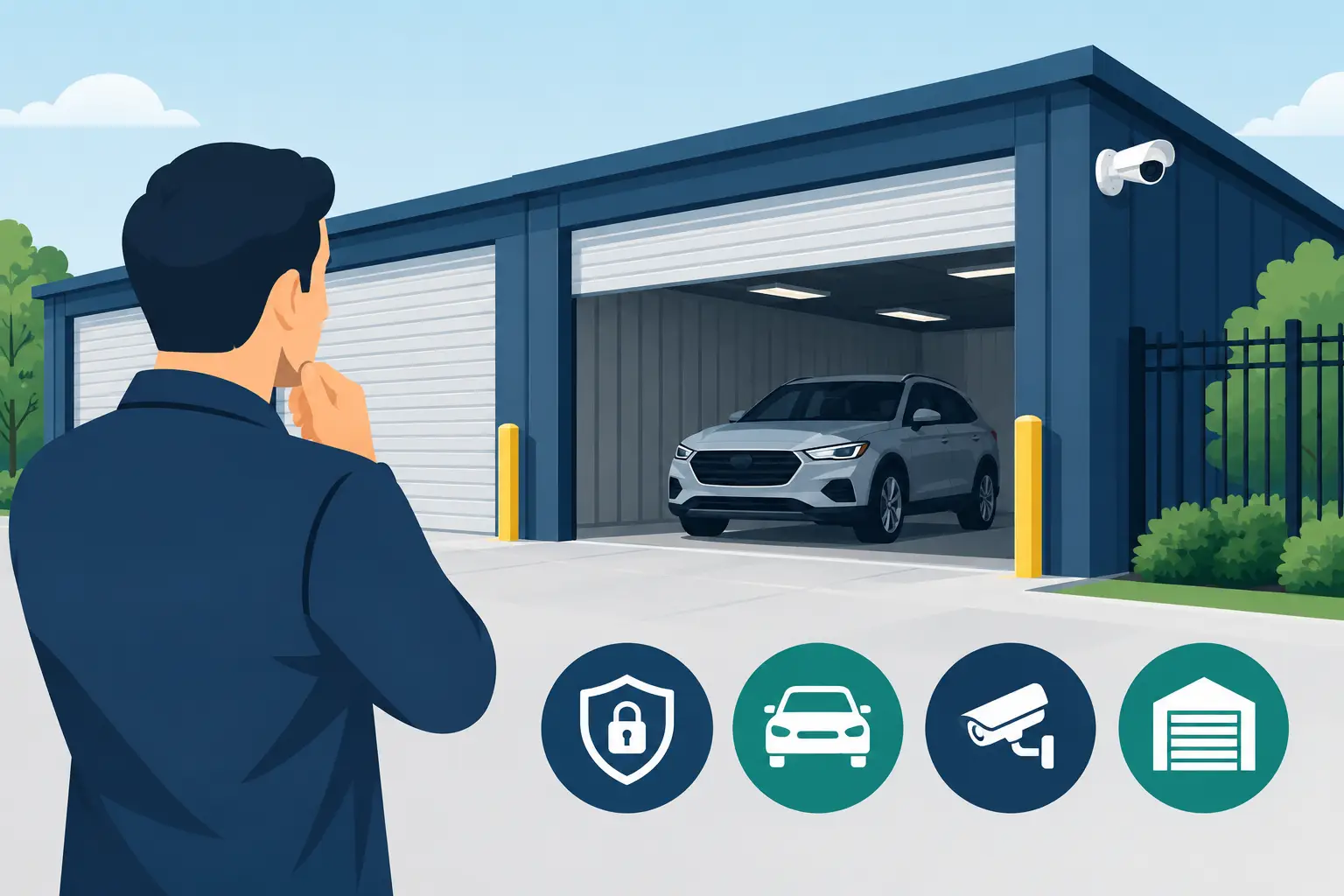
A vehicle can become vulnerable the moment it is left somewhere unfamiliar after a breakdown, accident, purchase or planned move. To choose secure vehicle storage properly, look beyond an empty space behind a gate. You need a controlled facility, clear responsibility for the vehicle and a provider that can handle collection, storage and onward transport without unnecessary handovers.
For prestige, classic, modified or otherwise high-value vehicles, the right decision protects more than the car itself. It protects its condition, keys, paperwork, availability and your ability to move it quickly when plans change.
Choose secure vehicle storage based on the real risk
The best storage option depends on why the vehicle needs to be stored and for how long. A car awaiting insurer instruction after an accident has different requirements from a collector's vehicle between transport arrangements. A dealer may need short-term holding before delivery, while a motorist stranded away from home may simply need somewhere safe until repairs can be arranged.
Start by considering the vehicle's condition. If it has accident damage, fluid loss, a flat tyre, electrical faults or bodywork that could worsen in poor weather, the storage provider needs suitable equipment and procedures. Ask how vehicles are unloaded, positioned and moved within the site. Careless handling after a recovery can cause further damage, particularly where low ground clearance, damaged suspension or specialist loading points are involved.
Location matters too, but it should not be the only deciding factor. The nearest compound is not automatically the safest choice. A facility with reliable collection arrangements, controlled access and proper vehicle handling may be the better option, even if it is not the closest to you. For urgent situations, a provider able to recover the vehicle directly into storage removes the risk of arranging several separate services.
Check the site, not just the description
“Secure storage” can mean very different things. Before authorising a vehicle to be left anywhere, ask practical questions about the facility and the procedures around it. A professional provider should be able to explain these clearly.
Access control and site security
Find out who can enter the site, when they can enter and how access is recorded. Secure storage should not allow unrestricted public access or casual collections. Gates, fencing, CCTV and monitored access all add protection, but they work best as part of a managed process rather than as isolated features.
Ask whether the site is staffed, monitored or checked outside normal hours. If your vehicle is being held overnight or over a weekend, you need confidence that security does not effectively stop when the office closes. For an accident-damaged vehicle, this is especially relevant if it cannot be locked or has broken glass.
It is also sensible to ask how keys are managed. Keys should be kept separately and securely, with a record of who has access to them. The same applies to documents, wheel-locking key sockets, charging cables and other removable items handed over with the vehicle.
Vehicle condition records
A clear condition report at collection or arrival creates accountability. It should record visible damage, vehicle mileage where available, fuel level where relevant, wheels, glass, lights and any issues that affect safe movement. Photographs are useful, particularly following a collision or when storing a prestige vehicle with detailed bodywork.
This record is not about creating unnecessary paperwork. It gives you and the storage provider a shared reference point. If repairs, inspections, valuation or onward transport follow, accurate condition information helps avoid confusion about what was present when the vehicle entered storage.
For damaged vehicles, tell the provider about every known issue before collection. Mention leaks, deployed airbags, steering damage, immobilisers, loose panels, electric vehicle battery concerns or a vehicle that will not select neutral. This allows the recovery team to use the right loading method and position the vehicle safely at the facility.
Indoor, covered or outdoor storage
The right environment depends on the vehicle and length of stay. Outdoor hard-standing storage may be appropriate for a short period, particularly after an accident where repair decisions are still being made. However, a vehicle with a soft-top roof, water ingress, compromised glass or sensitive interior trim may benefit from covered storage.
Indoor storage can offer greater protection from weather, but it is not automatically necessary for every vehicle. Ask what is available and make the decision based on condition, value and expected duration. If a vehicle will be stored for longer, consider tyre condition, battery management, cleanliness and whether it needs periodic checks.
Confirm liability, insurance and release arrangements
Do not assume your own motor insurance automatically covers every storage situation. Policies differ, particularly where a vehicle is off the road, damaged or being held pending repair. Speak to your insurer if the storage follows an accident, theft recovery or claim, and check whether they have any requirements about approved repairers, engineers or collection.
The storage provider should also be able to explain its own responsibility while the vehicle is in its care. Ask what cover is in place, what the terms include and whether there are limits relating to valuables left in the vehicle. Remove personal belongings where possible. Sat-nav units, tools, documents and loose accessories can complicate matters and are better kept separately.
Release procedures deserve equal attention. Establish who is authorised to collect the vehicle, what identification will be required and whether the provider needs written authority from an insurer, finance company, registered keeper or garage. This is particularly important for company cars, dealer stock and vehicles subject to an insurance claim.
A secure facility should not release a vehicle simply because someone arrives with a key. Controlled collection protects you from mistaken release, disputes and fraudulent requests.
Make sure onward transport is properly planned
Storage is often one stage in a larger journey. The vehicle may need to go to a repairer, dealership, auction, home address, port or another storage location. Choosing a provider that can manage secure storage alongside specialist transport reduces delay and limits the number of times the vehicle is loaded, unloaded and transferred between operators.
Ask what type of transport will be used for the next move. A prestige car, low vehicle, non-runner or accident-damaged vehicle may require a specific recovery lorry, low-angle loading, winching equipment or additional care around bodywork and wheels. The cheapest collection option may not be the most suitable if it creates avoidable handling risk.
Clarify the practical details before you need them. Confirm the collection address, delivery point, access restrictions, vehicle condition, key availability and preferred timing. If the destination is a garage, check that it can receive the vehicle when it arrives. A failed delivery can create additional storage time and cost.
For planned UK or European movements, make sure the provider understands the full route and timetable. Cross-border transport can involve different collection windows, documentation requirements and longer periods between collection and final delivery. Good communication is as valuable as physical security when a vehicle is moving through several stages.
Questions worth asking before you agree
You do not need a lengthy checklist, but a few direct questions will quickly show how a provider operates. Ask whether the site has controlled access and monitored security, how vehicle condition is recorded, where keys are kept, what happens outside normal hours, and how authorised release is handled.
Then ask about the vehicle itself. Can the provider collect a non-runner or damaged vehicle? Is covered storage available if required? Can they arrange onward delivery to a garage, dealership or home address? Are charges clear for collection, daily storage and final release?
A straight answer is usually a good sign. If details are vague, costs are unclear or nobody asks about the vehicle's condition, consider another option. Secure vehicle storage relies on procedure as much as premises.
When fast recovery and secure storage need to work together
After a roadside incident, there is rarely time to research every option in depth. The priority is getting the vehicle out of danger, preventing further damage and knowing where it will be taken. This is where a recovery provider with secure storage capability can make the situation easier to manage.
MHJ Prestige Transport can recover vehicles around the clock and arrange short-term secure storage where required, with particular care for prestige and high-value vehicles. One point of contact for recovery, storage and onward movement gives you clearer control while repair, insurance or transport plans are being confirmed.
Before handing over the keys, keep the provider's contact details, confirm the storage location and reference, and take your own photographs of the vehicle if it is safe to do so. A few minutes of clear communication at the start can make the next stage far simpler.