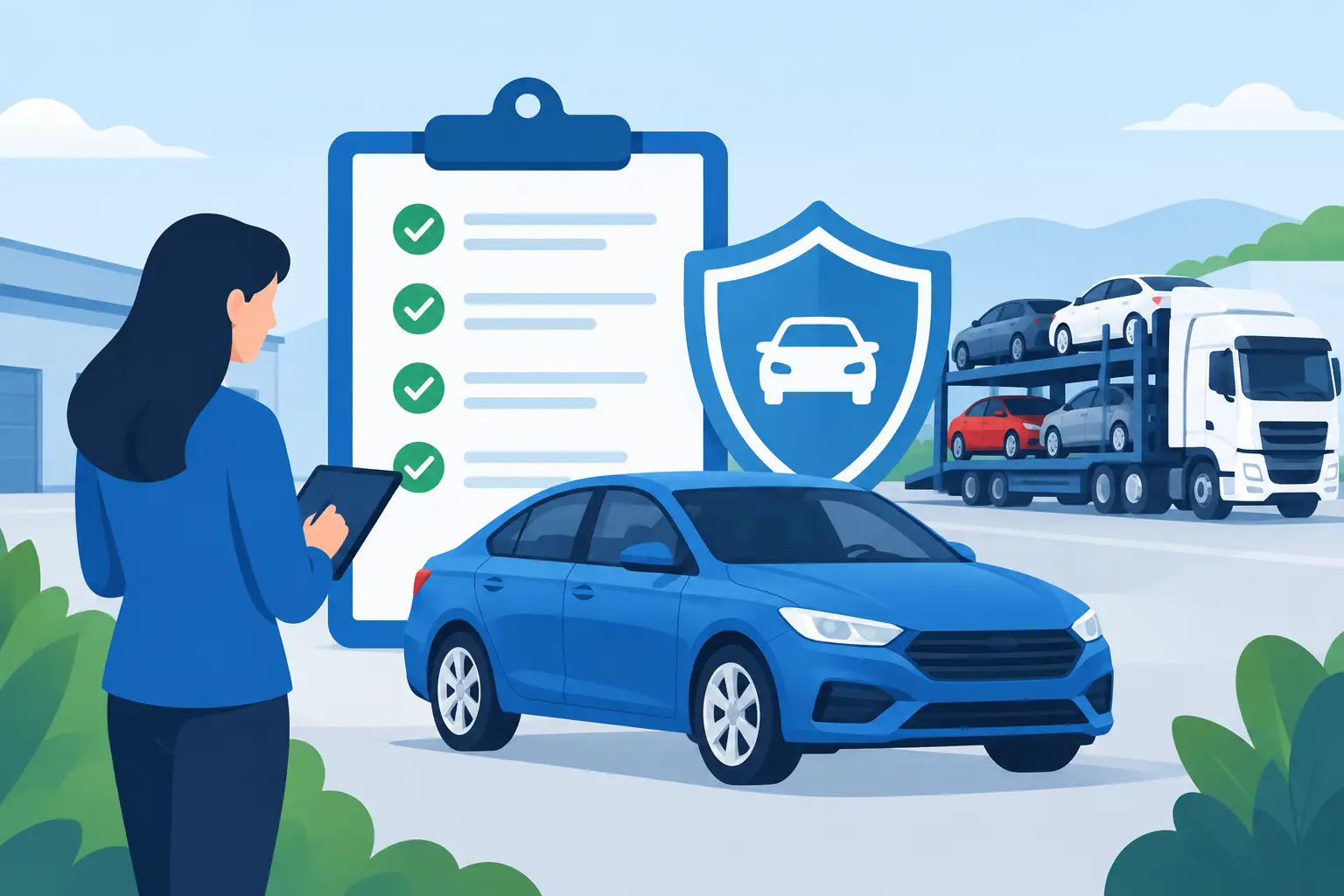
A vehicle can look immaculate when it is collected and still face risk before it reaches its destination. Low clearances, loose road debris, loading damage, poor restraint and overnight stops all need managing properly. The best vehicle transport insurance checks give you a clear view of who is responsible, what is covered and what evidence you need if something goes wrong.
For a prestige, classic, modified or newly purchased vehicle, do not treat insurance as a box-ticking exercise. A cheap transport quote can become expensive if the operator’s cover is limited, unsuitable for the vehicle or subject to exclusions that were never explained. Ask the right questions before keys, documents and responsibility change hands.
Why carrier liability is not always enough
Many customers assume that a professional transporter automatically insures the full value of every vehicle on board. That is not always the case. A transport company may have goods in transit cover, motor trade cover or carrier liability cover, but each policy can have limits, conditions and exclusions.
Carrier liability usually responds where the transporter is legally responsible for loss or damage. It may not pay out in full where the damage resulted from an excluded event, where the operator is not found liable, or where the vehicle’s value exceeds the policy limit. Your own comprehensive motor policy may provide some cover during transport, but many policies restrict this or require you to use an approved provider.
The practical point is simple: establish the level of protection for your specific movement, not just whether the operator says they are insured.
7 vehicle transport insurance checks to make
1. Confirm the policy covers vehicles in transit
Ask whether the operator’s insurance specifically covers customer vehicles while they are being loaded, transported and unloaded. This sounds obvious, but wording matters. Cover for recovery work is not automatically the same as cover for planned prestige vehicle transport.
If the vehicle will be moved on a trailer, transporter or recovery lorry, the policy should apply to that method of carriage. If there is a change of vehicle, relay point or temporary holding location, check that protection continues throughout the agreed journey.
2. Check the maximum claim limit against the car’s true value
A policy limit of £50,000 may be perfectly adequate for many cars, but not for a high-specification performance vehicle, collector car or rare classic. Ask for the maximum value covered per vehicle and, where relevant, the maximum total value carried.
Use the realistic replacement or agreed value, not a figure that simply makes the booking easier. Modifications, factory options, personalised registration plates and recent restoration work can all affect the vehicle’s value. If the value exceeds the operator’s standard limit, ask whether additional cover can be arranged or whether you need separate transit insurance.
3. Ask what is excluded
The exclusions are where misunderstandings tend to arise. Some policies exclude pre-existing damage, mechanical or electrical failure, cosmetic deterioration, unsecured personal belongings, wheels not fitted to the vehicle, or damage caused while a car is driven under its own power.
Prestige and low-slung vehicles also need particular attention. Confirm how the provider deals with low ground clearance, non-running vehicles, air suspension, carbon fibre components and modified bodywork. A competent operator will explain the loading plan rather than making broad promises.
If a vehicle cannot be started, rolled or steered normally, disclose this before collection. Specialist equipment and extra handling may be required, and failing to mention it can create both operational and insurance complications.
4. Verify the documents, not just the reassurance
A provider should be able to evidence the insurance they rely on. You do not need to become an insurance specialist, but you should be comfortable that the documents are current and relevant to the work being undertaken.
Check the insurer or broker details, policy dates, the type of cover, geographic limits and the maximum amount payable. A certificate alone may not show every condition, so ask a direct question: is my vehicle covered for its declared value from collection to delivery on this journey?
Be cautious if the answer is vague, if paperwork is out of date, or if the provider avoids stating a monetary limit. Reliable operators are used to these questions, especially when handling valuable vehicles for owners, dealers and insurers.
5. Establish where the vehicle will be stored
Transport does not always run from collection to delivery without a pause. Delays can arise from a late handover, traffic disruption, customer availability, a breakdown or an overseas crossing. If the vehicle may be held overnight, ask whether secure storage is included and whether insurance remains active while it is stored.
The location matters as much as the policy wording. A secure compound with controlled access, appropriate security measures and clear vehicle records is very different from leaving a valuable car in an unsecured yard. Confirm who has access to the vehicle and whether it will remain on the transporter, be moved into storage or be transferred to another operator.
6. Check cover for UK and European movements
For a journey beyond the UK, confirm the countries included in the policy and whether ferries, ports, customs delays and cross-border storage are covered. International movements can involve additional liability rules, including carriage conventions that may limit what a carrier is required to pay in certain circumstances.
Do not assume a UK policy provides identical protection across Europe. Ask whether the vehicle is covered door to door, what happens during a ferry crossing and whether any country-specific conditions apply. If the movement involves import, export or a long-term relocation, make sure your own insurer is also aware of the change.
7. Understand the claims process before collection
A smooth claims process starts with good evidence, not with a phone call after delivery. Ask how damage is recorded at collection and handover. A proper condition report should note existing marks, wheel condition, glass damage, mileage, fuel level and accessories where relevant. Clear, time-stamped photographs provide further protection for both parties.
Find out who you contact if you spot damage, how quickly it must be reported and what information will be required. Some policies have strict notification periods. Waiting several days to report an issue can make a valid claim harder to assess.
At delivery, inspect the vehicle before signing that it has been received in good condition. Check the areas most likely to be affected by transport: front splitter, lower bumper, alloy wheels, mirrors, roofline and door edges. If delivery takes place in poor light, use a torch or agree a documented inspection process rather than rushing the handover.
Questions worth asking before you book
Insurance checks work best when they are tied to the actual job. Tell the transporter the make, model, value, condition, collection point, delivery point and whether the vehicle is running. Mention any low clearance, immobiliser issue, alarm requirement, tyre defect or damage that affects loading.
Then ask whether the job will be completed by the company you booked or subcontracted. Subcontracting is not automatically a problem, particularly on longer-distance work, but responsibility and insurance arrangements must remain clear. You should know who will collect the vehicle, who holds the cover and who will manage a claim if needed.
Price still matters, but compare like for like. A quote that includes specialist loading, documented condition checks, insured transit and secure storage may offer far better value than a lower figure with unclear responsibility. For an accident recovery, the same principle applies: immediate recovery is vital, but your vehicle should not disappear into an uncertain chain of custody.
The right checks protect the journey, not just the vehicle
A well-run transport job is controlled from the first call: the vehicle details are recorded, the loading method is suitable, cover is understood and the handover is documented. That is particularly relevant where a car has high financial value, sentimental value or a demanding owner waiting at the other end.
MHJ Prestige Transport approaches recovery and planned movements with that operational discipline, including careful handling for vehicles that need more than a standard tow. Before arranging any collection, have the vehicle’s value and condition details ready, ask for the insurance position in plain terms, and keep copies of the agreed information. It is a small amount of preparation that can protect a significant asset.